

Building a new home in Arlington is exciting with fresh plans, open lots, and room to breathe. But beneath that dream kitchen and wrap-around porch lies a decision that quietly determines your property’s long-term value, compliance, and environmental footprint:
Which septic system is right for your new build?
In North Snohomish County, from Smokey Point to Lakewood Crossing, and across the rural stretches toward Bryant and Silvana, soil composition, groundwater sensitivity, and local health department regulations all shape this decision.
At Johnny’s Septic Service, Inc., homeowners frequently ask:
“Should I install a conventional system, or is an aerobic system smarter for Arlington’s soil conditions?”
Let’s break this down with clarity, depth, and regional expertise so you can make a confident, long-term decision.
Understanding Septic Systems (The Foundation Beneath Your Home)
Before comparing options, it’s important to understand how septic systems function in Washington State.
According to the U.S. Environmental Protection Agency, more than 20% of U.S. households rely on septic systems for wastewater treatment.
Washington State has one of the highest percentages of homes on septic systems due to rural and semi-rural development patterns, especially in areas like Arlington, the Marysville outskirts, and the rural Bellingham corridors.
A septic system essentially:
- Collects wastewater from your home
- Separates solids from liquids
- Treats wastewater biologically
- Disperses treated water safely into the soil
The system you choose affects:
- Installation cost
- Maintenance frequency
- Environmental impact
- Long-term reliability
- Inspection requirements
- Resale value
Now, let’s compare the two primary septic system types available for new construction.
What Is a Conventional Septic System?
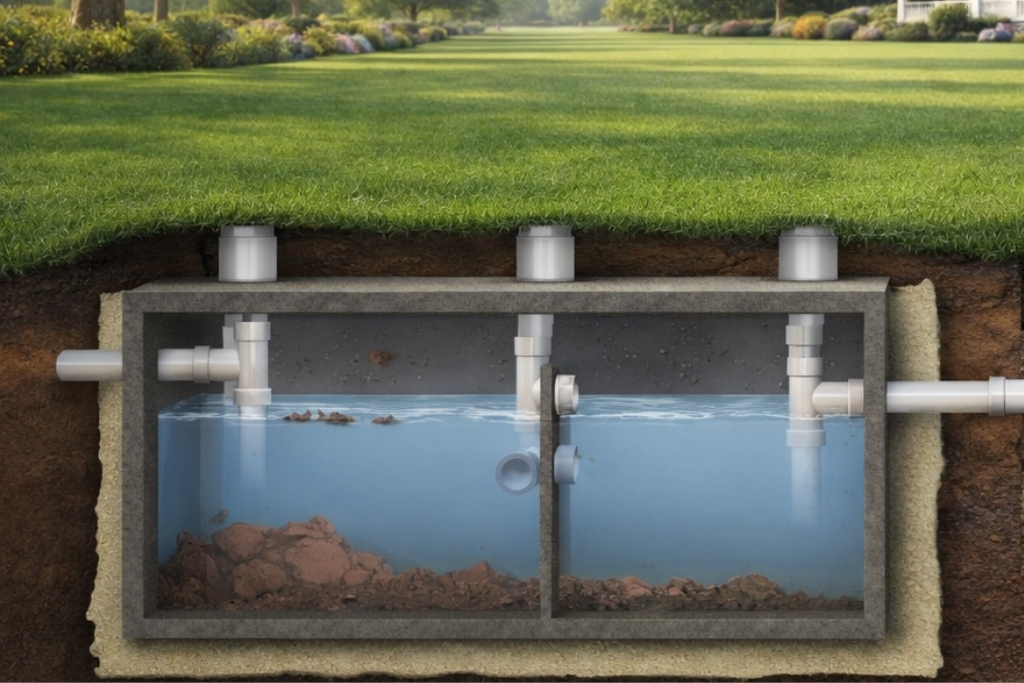
A conventional septic system, often called a gravity septic system, traditional septic system, or soil absorption system, is the most common design in rural Washington.
How It Works:
- Wastewater flows by gravity into a septic tank.
- Solids settle at the bottom.
- Liquids flow to a drain field in a septic system.
- Soil naturally filters and treats the effluent.
This system relies heavily on soil quality and proper site conditions.
Pros of Conventional Systems
- Lower installation cost compared to aerobic systems
- Fewer mechanical components
- Less electricity required
- Simple design = fewer moving parts
- Proven reliability for decades
Quick Tip:
If your lot in Arlington has:
- Well-draining soil
- Adequate space
- Proper setback distances
A conventional septic installation may be the most economical and dependable choice.
Cons of Conventional Systems
- Requires suitable soil conditions
- Larger drain field footprint
- Less treatment strength compared to advanced systems
- Can struggle in high water table areas
In certain Arlington neighborhoods, particularly areas with clay-heavy soils, conventional systems may require additional engineering approval.
What Is an Aerobic Septic System?
An aerobic septic system uses oxygen to enhance bacterial treatment of wastewater.
Think of it as a mini wastewater treatment plant installed on your property.
How It Works:
- Wastewater enters a pre-treatment tank.
- Air is pumped in.
- Oxygen-loving bacteria break down waste more efficiently.
- Treated effluent is dispersed or, in some cases, spray-applied.
This system is often used when soil conditions limit traditional options.
Pros of Aerobic Systems
- Superior wastewater treatment quality
- Works well in poor soil conditions
- Smaller drain field required
- Environmentally advanced
- Suitable for tighter lots
Here’s something you should know:
The EPA notes that aerobic treatment units can reduce nitrogen and organic matter more effectively than standard systems.
For environmentally sensitive areas near streams or wetlands in Snohomish County, this can be significant.
Cons of Aerobic Systems
- Higher upfront cost
- Requires electricity
- Ongoing maintenance contracts
- Mechanical parts require periodic servicing
Maintenance Reality:
Washington health authorities require routine inspections for many aerobic systems. According to state guidance, regular inspections are critical to prevent system failures and groundwater contamination.
This is where professional septic inspection services become essential.
Aerobic vs. Conventional: Side-by-Side Comparison
| Feature | Conventional Septic System | Aerobic Septic System |
| Installation Cost | Lower | Higher |
| Treatment Level | Moderate | Advanced |
| Electricity Needed | No | Yes |
| Maintenance Frequency | Periodic pumping | More frequent servicing |
| Soil Requirements | Must be suitable | More flexible |
| System Complexity | Simple | Mechanical components |
| Best For | Larger rural lots | Smaller or restrictive lots |
Key takeaway:
If soil is good, then conventional may be ideal.
If soil is restrictive, then aerobic may be necessary.
Which System Is Best for New Arlington Builds?
Here’s where regional expertise matters.
The area’s soil varies dramatically:
- Sandy loam near river corridors
- Clay-heavy patches in certain subdivisions
- Areas with seasonal high groundwater
According to the U.S. Census Bureau, Arlington’s population has grown steadily over the past decade, increasing pressure on proper wastewater management.
With more new homes being built, selecting the right septic system for new construction is not just about today; it’s about 20–30 years of reliability.
In General:
Choose Conventional If:
- Soil tests approve the gravity system
- You want lower maintenance complexity
- You prefer a time-tested design
- Lot size is sufficient
Choose Aerobic If:
- Soil fails conventional standards
- You’re building on a tighter lot
- Environmental discharge requirements are stricter
- You’re comfortable with scheduled service
Mini Checklist for Builders in Arlington
Before finalizing your system, ask:
- Has a soil evaluation been completed?
- What are Snohomish County setback requirements?
- What are long-term pumping intervals?
- What is required for an annual inspection?
- Will this affect the resale disclosure?
Keep this checklist handy, as it can help prevent costly redesigns.
Common Questions New Builders Ask
1. Can I choose a conventional system in Arlington?
Yes, if your soil conditions qualify.
Local health department approval is required. Many properties can support a conventional system, but site evaluation is critical before installation.
2. How much maintenance does an aerobic system require?
Aerobic systems typically require:
- Regular inspections
- Scheduled servicing
- Consistent monitoring of mechanical components
Homeowners should plan for routine septic pumping in Arlington and professional oversight to ensure compliance.
3. Will septic choice affect home value or inspections?
Absolutely.
A well-maintained septic system, whether aerobic or conventional, can improve buyer confidence.
Buyers frequently request:
- Recent pumping records
- Inspection documentation
- Maintenance history
Professional services like septic tank service and documented septic cleaning play a crucial role in maintaining property value.
Why Proper Maintenance Matters (No Matter Which System You Choose)
The EPA estimates that failing septic systems discharge billions of gallons of untreated wastewater annually in the U.S.
System failure can lead to:
- Drain field saturation
- Property damage
- Groundwater contamination
- Expensive repairs
Routine septic pumping and septic tank service are equally important for homeowners north of Arlington in Whatcom County.
Long-term success depends less on system type and more on professional maintenance.
The Smart Builder’s Perspective
When planning a new build, think in decades, not just budgets.
Ask yourself:
- How long do I plan to live here?
- Will I expand later?
- What maintenance level am I comfortable with?
- How important is environmental treatment strength?
Both systems can work beautifully when and if chosen correctly.
The key is informed decision-making and professional oversight.
Building Below the Surface: Making the Right Choice for Decades to Come
Choosing between an aerobic and conventional system isn’t about trends, but about compatibility with your land, your goals, and local regulations.
For homeowners across Arlington, Smokey Point, and even toward Bellingham, septic decisions shape long-term comfort and compliance. Whether you need guidance on system selection, routine septic inspection, or dependable septic tank pumping service, partnering with experienced professionals makes all the difference.
At Johnny’s Septic Service, Inc., septic pumping, septic cleaning, and inspection services are delivered with regional knowledge and a commitment to protecting Washington properties.
If you’re building new or preparing your system for the years ahead, contact us today to schedule a consultation and ensure your septic system is built and maintained for lasting performance.
Final Thought:
The best septic system is not the most advanced or the most affordable, but the one designed correctly for your soil, installed properly, and maintained consistently. Make that decision wisely. If you need more information or professional assistance, feel free to contact our experts at 360-757-0550.
